Tourist Tax in São Vicente Guest Guide (Madeira Island) Portugal 2026
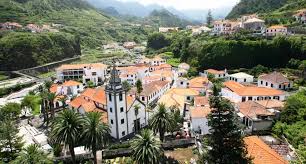
Tourist Tax in São Vicente (Madeira Island) – 2026 Guide for Hosts
The municipality of São Vicente will begin applying a tourist tax from April 2026. If you manage a hotel, guesthouse, or local accommodation, it’s important to understand how to apply and manage this tax correctly.
If you operate a hotel, guesthouse, or local accommodation on the north coast of Madeira Island, understanding and correctly managing the municipal tourist tax in São Vicente for 2026 is essential. Below is a clear, host-focused breakdown to help you stay compliant and avoid issues.
What Is the Tourist Tax in São Vicente?
As of 2026, São Vicente applies a municipal tourist tax of:
€2 per guest, per night
Maximum of 7 consecutive nights per stay
This means the maximum amount you should collect is €14 per guest per stay.
Which Guests Must You Charge?
As a host, you are responsible for applying the tax to:
All guests aged 13 and older
Visitors staying in:
Hotels
Guesthouses
Local accommodation units (e.g., short-term rentals)
Make sure your booking system clearly reflects this rule to avoid disputes.
Who Is Exempt? (Host Responsibilities)
You must not charge the tax in the following cases:
Guests under 13 years old
Guests staying for medical treatment (must provide valid proof)
Certain long-term stays, depending on local regulations
📌 Keep documentation for exemptions on file in case of municipal audits.
How Should You Collect the Tax?
As the accommodation provider, you are legally responsible for collecting and reporting the tax.
You can choose to:
Include it in the booking price (recommended for transparency), or
Charge it separately at check-in or check-out
💡 Best practice: Clearly state the tax in your listing description and booking confirmation.
Reporting & Compliance
While procedures may vary slightly, hosts are generally expected to:
Register guest stays accurately
Keep records of tax collected and exemptions
Submit payments to the municipality within the required timeframe
⚠️ Failure to comply may result in fines or penalties, so it’s important to stay updated with local rules.
Why This Tax Exists (What You’re Supporting)
The municipality of São Vicente uses the tourist tax revenue to:
Maintain local infrastructure
Preserve природal landscapes and heritage sites
Support tourism-related services
Improve the overall visitor experience
As a host, you play a direct role in supporting sustainable tourism in the region.
Is This Standard Across Madeira?
Yes — several municipalities across Madeira Island have implemented similar tourist taxes, including:
Machico
💡 Most follow the same structure (€2 per night), but always check local regulations as reporting requirements may differ.
🧾 Quick Reference for Hosts
Category | Requirement |
|---|---|
Tax Rate | €2 per guest/night |
Max Nights | 7 nights |
Max Charge | €14 per guest |
Applies To | Guests aged 13+ |
Collection | By host (included or separate) |
Exemptions | Under 13, medical stays, specific cases |
Responsibility | Collection, record-keeping, reporting |
Final Host Tip
To avoid confusion and negative reviews:
Be transparent upfront about the tax
Automate calculations in your booking system
Keep clear records for compliance
Managing the tourist tax correctly not only keeps you compliant but also builds trust with your guests and supports the long-term sustainability of tourism in São Vicente.