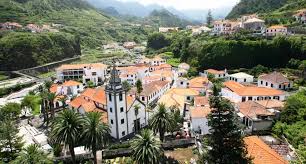
Tourist Tax in São Vicente (Madeira Island) – 2026 Guide for Alojamento Local
According to this publication , the municipality of São Vicente will begin applying a tourist tax from April 2026. If you manage a hotel, guesthouse, or local accommodation, it’s important to understand how to apply and manage this tax correctly.
Also declared by the municipality of São Vicente Aviso n.º 10962/2026/2, de 12 de maio.
If you operate a hotel, guesthouse, or local accommodation on the north coast of Madeira Island, understanding and correctly managing the municipal tourist tax in São Vicente for 2026 is essential. Below is a clear, host-focused breakdown to help you stay compliant and avoid issues.
São Vicente Tourist Tax: Quick Answer
In São Vicente, the tourist tax is generally:
€2per guest per nightup to a maximum of
7 nightscharged only to guests aged
13 and overcapped at
€14per guest per stay
Based on the municipal regulation, the tax applies to overnight stays in tourist accommodation and local accommodation, and the municipality also provides a dedicated reporting platform for operators. Read more here : https://cm-saovicente.pt/atividade-municipal/urbanismo/taxa-turistica
Entry Into Force
According to Aviso n.º 10962/2026/2, de 12 de maio. the regulation enters into force the day after publication in Diário da República. Existing reservations already paid before the regulation came into force are exempt
What Is the Tourist Tax in São Vicente?
As of 2026, São Vicente applies a municipal tourist tax of:
€2 per guest, per night
Maximum of 7 consecutive nights per stay
This means the maximum amount you should collect is €14 per guest per stay.
How to Pay Online?
Log in to the municipality’s Tourist Tax portal.
Go to “Relatório Mensal”.
Select the correct month and property.
Fill in the monthly stay details.
Confirm and submit the report.
The Câmara Municipal will generate an invoice/payment document with the payment details.
Make the payment using the details provided.
Wait for the official receipt/confirmation from the municipality.
How to Register for Tourist Tax in São Vicente
Before an Alojamento Local host can submit tourist tax declarations in São Vicente, they need access to the municipality’s online tourist tax platform.
The registration process is not the same as submitting the monthly tourist tax report. First, the host or property representative must create an account on the tourist tax platform. After the account is created, the municipality reviews and validates the registration.
Only after this validation is completed can the host access the platform’s full functionality, submit tourist tax forms, or consult submitted information.
In practice, the process works like this:
The host registers on the São Vicente tourist tax platform.
The host provides identification and taxpayer details.
The platform confirms that the registration data was received.
The municipality validates the registration and any required documents.
Once approved, the host receives confirmation that the adhesion was completed.
The host then completes form "Taxa Turística - Inscrição da Entidade Exploradora"
The host can then submit tourist tax forms using "Taxa Turística - Relatório Mensal"
The confirmation email from the platform may say that the data was sent successfully, but this does not mean the account is fully active yet. The host must wait for validation before submitting forms.
Once the registration is approved, the host should receive a message confirming that the adhesion to the online platform has been completed successfully.
In some cases, the platform or municipality may request supporting documents, such as proof of tax activity or a Certidão de Enquadramento de IVA from the Finanças portal. The document should correspond to the NIF used for the registration.
Which Guests Must You Charge?
As a host, you are responsible for applying the tax to:
All guests aged 13 and older
Visitors staying in:
Hotels
Guesthouses
Local accommodation units (e.g., short-term rentals)
Make sure your booking system clearly reflects this rule to avoid disputes.
Who Is Exempt? (Host Responsibilities)
You must not charge the tax in the following cases:
Guests under 13 years old
Guests staying for medical treatment (must provide valid proof)
Certain long-term stays, depending on local regulations
Keep documentation for exemptions on file in case of municipal audits.
How Should You Collect the Tax?
As the accommodation provider, you are legally responsible for collecting and reporting the tax.
You can choose to:
Include it in the booking price (recommended for transparency), or
Charge it separately at check-in or check-out
💡 Best practice: Clearly state the tax in your listing description on Airbnb and Booking.com, and booking confirmation.
Reporting & Compliance
While procedures may vary slightly, hosts are generally expected to:
Register guest stays accurately
Keep records of tax collected and exemptions
Submit payments to the municipality within the required timeframe
Failure to comply may result in fines or penalties, so it’s important to stay updated with local rules.
Why This Tax Exists (What You’re Supporting)
The municipality of São Vicente uses the tourist tax revenue to:
Maintain local infrastructure
Preserve natural landscapes and heritage sites
Support tourism-related services
Improve the overall visitor experience
As a host, you play a direct role in supporting sustainable tourism in the region.
Is This Standard Across Madeira?
Yes — several municipalities across Madeira Island have implemented similar tourist taxes, including:
Most follow the same structure (€2 per night), but always check local regulations as reporting requirements may differ. See EazyALs free Tourist Tax Calculator for Portugal
🧾 Quick Reference for Hosts
Category | Requirement |
|---|---|
Tax Rate | €2 per guest/night |
Max Nights | 7 nights |
Max Charge | €14 per guest |
Applies To | Guests aged 13+ |
Collection | By host (included or separate) |
Exemptions | Under 13, medical stays, specific cases |
Responsibility | Collection, record-keeping, reporting |
Final Host Tip
To avoid confusion and negative reviews:
Be transparent upfront about the tax
Automate calculations in your booking system
Keep clear records for compliance
Managing the tourist tax correctly not only keeps you compliant but also builds trust with your guests and supports the long-term sustainability of tourism in São Vicente.
FAQ
When does the tourist tax in São Vicente start? The tax applies from April 2026. The regulation, published through Aviso n.º 10962/2026/2 of 12 May, enters into force the day after publication in Diário da República.
How much is the tourist tax in São Vicente? €2 per guest per night, charged for a maximum of 7 nights per stay. The most a guest will ever pay is €14 per stay.
Who has to pay the tax? All guests aged 13 and over staying in hotels, guesthouses, or local accommodation (Alojamento Local) units in the municipality of São Vicente.
Who is exempt from the tax? Children under 13, guests staying for medical treatment (with valid proof), and certain long-term stays depending on local rules. Hosts should keep documentation for all exemptions in case of a municipal audit.
Do reservations booked before the regulation came into force pay the tax? No. Reservations already paid before the regulation entered into force are exempt.
Who is responsible for collecting the tax — the guest or the host? The host. As the accommodation provider, you are legally responsible for collecting the tax from guests and reporting it to the municipality. You can include it in the booking price or charge it separately at check-in or check-out.
How do I register to declare the tourist tax in São Vicente? You first need to create an account on the municipality's online tourist tax platform and provide your identification and taxpayer details. The municipality then validates the registration, which may include requesting documents such as a Certidão de Enquadramento de IVA matching the NIF used. Only after approval can you complete the "Taxa Turística - Inscrição da Entidade Exploradora" form and start submitting reports.
The platform confirmed my registration data was sent. Can I submit reports now? Not yet. The confirmation email only means your data was received. You must wait for the municipality to validate your registration and confirm the adhesion was completed before you can submit tourist tax forms.
How do I declare and pay the tax each month? Log in to the tourist tax portal, open "Relatório Mensal", select the month and property, fill in the stay details, and submit. The municipality issues a payment document, you pay using the details provided, and then receive an official receipt.
Is the São Vicente tax the same as in other Madeira municipalities? The structure is very similar — Funchal, Santa Cruz, Machico, and Câmara de Lobos also charge €2 per guest per night. However, registration and reporting procedures differ between municipalities, so always check the local rules for each property.
What happens if I don't collect or report the tax? Non-compliance can result in fines or penalties from the municipality. Accurate guest records, documented exemptions, and on-time monthly submissions are the host's responsibility.
Should I show the tax in my listing? Yes. Stating the tax clearly in your listing description and booking confirmation avoids disputes at check-in and protects you from negative reviews.